 Can loose teeth signal gum disease? Yes, tooth mobility often indicates advanced periodontal infection requiring prompt dental evaluation and treatment.
A loose permanent tooth is more than an inconvenience. It can be a warning sign that gum disease has already damaged the foundation supporting your smile. Oceanside Dental Excellence treats periodontal disease for patients throughout Oceanside and Vista, helping them identify and address gum infections before they progress to tooth loss. Dr. Stephen Dankworth, Dr. Kimberly Corrigan-Dankworth, and Dr. Piper Dankworth understand that untreated gum disease can quietly destroy the tissues holding your teeth in place, sometimes turning an easily overlooked infection into a missing tooth.
How does gum disease start?
Plaque buildup along the gumline allows harmful bacteria to irritate and infect the gum tissue surrounding your teeth. Without treatment, this early inflammation can develop into periodontal disease. Because infection often spreads beneath the gumline, patients rarely notice how much damage is occurring until symptoms become obvious. Over time, this hidden progression breaks down the tissue and bone that keep teeth anchored securely.
What warning signs indicate periodontal disease?
Bleeding gums during brushing, flossing, or eating often signal an underlying infection. Persistent bad breath may point to bacteria thriving beneath the gum tissue. Gums that appear to pull away from teeth, known as recession, indicate tissue damage and expose more of the tooth’s surface. Loose permanent teeth are especially concerning, since mobility in an adult tooth typically means significant support has already been lost. Anyone in Oceanside or Vista noticing these signs should schedule an examination rather than waiting for symptoms to worsen.
Why does gum disease eventually cause tooth loss?
As infection advances, it damages the structures anchoring teeth in the jaw. The body’s inflammatory response, meant to fight infection, can actually contribute to further tissue destruction and gum recession. The progression follows a clear pattern: untreated infection leads to tissue and support loss, which creates an increasingly unstable tooth, ultimately resulting in tooth loss. Removing the tooth does not end the problem either, since the underlying gum disease still requires treatment.
How is periodontal disease diagnosed early?
The Oceanside office uses OralDNA testing to identify specific bacteria associated with periodontal disease. Combined with a comprehensive exam of the gums and teeth, this testing helps the dental team determine severity and recommend an appropriate treatment approach. Catching periodontal disease early gives patients the best chance of protecting their natural teeth and avoiding more extensive restorative work later.
What treatment options exist before tooth loss occurs?
Treatment depends on how far the disease has progressed. Scaling and root planing offers a nonsurgical deep cleaning that removes bacteria and buildup from below the gumline, often effective for earlier-stage disease when paired with improved home hygiene. More advanced cases may require additional surgical or nonsurgical approaches to control infection and protect remaining support. The goal always remains the same: stop the disease and preserve natural teeth whenever possible.
What happens when a tooth cannot be saved?
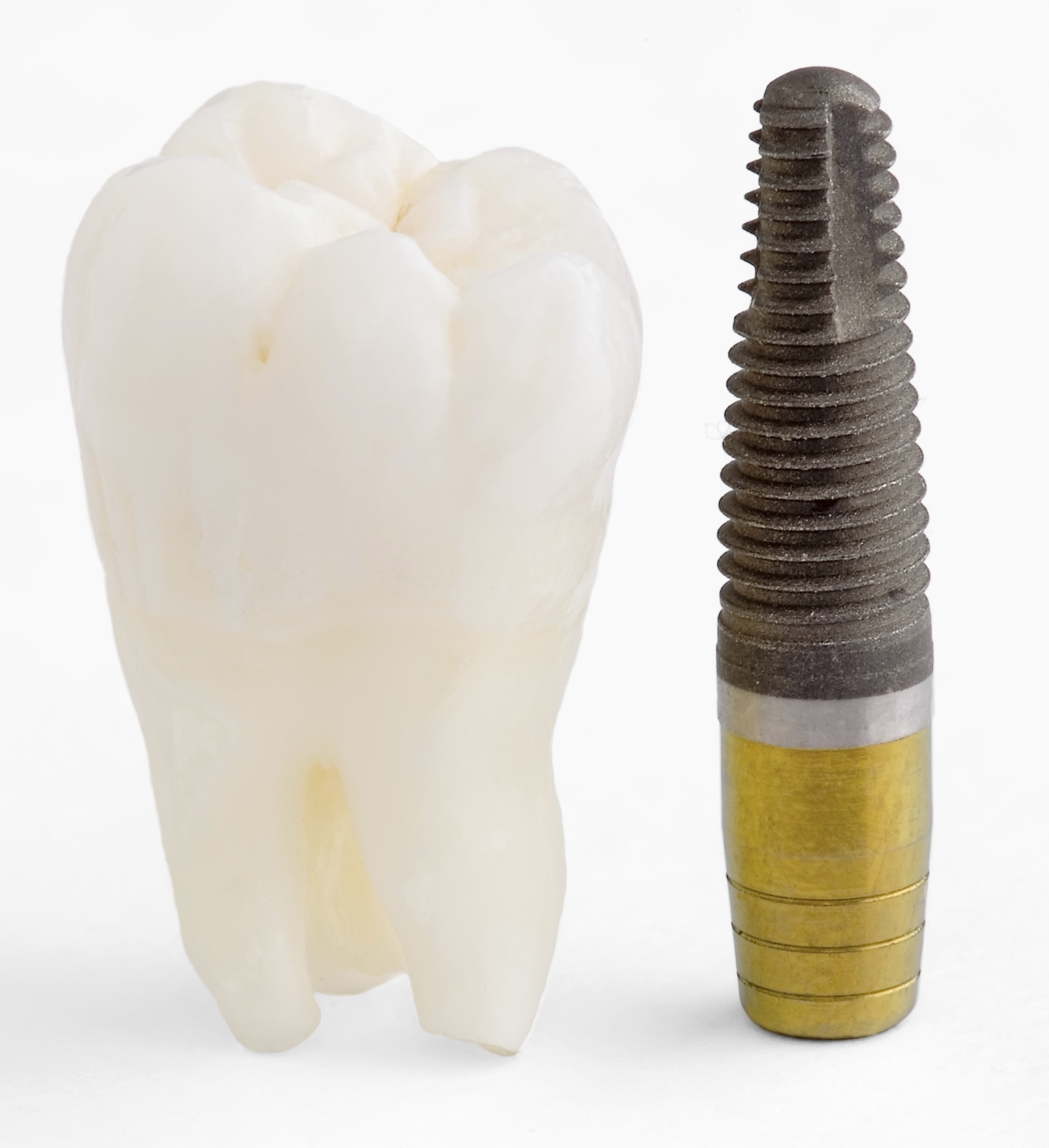
When gum disease causes irreversible damage, extraction may become necessary rather than risk an unpredictable outcome. Dental implants can restore function and appearance afterward, but implant treatment works best once active infection is controlled and the surrounding tissue is healthy. Preserving a natural tooth remains preferable whenever it can be reliably maintained.
Protect your smile before gum disease takes a tooth
Bleeding gums, chronic bad breath, recession, and loose teeth should never be ignored. Contact Oceanside Dental Excellence today to schedule a periodontal evaluation and personalized treatment plan before gum disease progresses further.